As November 2026 begins, AI infrastructure continues to drive semiconductor demand, particularly for DRAM, NAND Flash, CPUs, GPUs, and high-performance passive components. The global foundry 2.0 market reached $96.6 billion in Q2 2026, up 25% year over year, with TSMC holding around 42% market share.
Supply pressures are spreading across the industry, leading to higher prices and longer lead times for some components. However, the market remains divided: demand for HBM, high-end DDR5, and enterprise SSDs is strong, while some consumer memory and general-purpose components face price corrections.
Memory Market: DRAM and NAND Shortages Continue
The global DRAM shortage is expected to last until 2028. Samsung and SK hynix inventories have fallen below 10 days, while Micron has secured long-term customer commitments for over 75% of its 2027 capacity. DDR4 prices have also surpassed DDR5, with 16Gb DDR4 averaging $83.66, about 44% higher than DDR5 at $57.83. This price gap reflects manufacturers shifting capacity from older memory products to HBM and DDR5.
NAND Flash supply remains tight, with Kioxia's output largely booked through 2026. Enterprise SSD demand continues to grow as AI inference increases the need for QLC NAND. However, large-capacity SSDs remain in short supply, while some small-capacity models have seen price declines. Meanwhile, YMTC's NAND market share has increased to 14%, narrowing the gap with Micron.
HBM and LPDDR demand is also rising. NVIDIA faces an expected 30%-40% supply gap in LPDDR5X for next year, while humanoid robot DRAM demand could grow around 20 times from 2026 to 2030. In November, high-end DDR5, HBM, and enterprise SSDs are expected to remain strong, while consumer memory faces weaker demand. LPDDR4/4X supply is also tightening due to phase-outs, and high-capacity automotive and industrial NOR Flash remains in short supply.
CPU and GPU Market: AI Infrastructure Reshapes Processor Demand
The growth of agentic AI is driving renewed demand for server CPUs, as AI agents require more processing power for task scheduling, data handling, and multi-agent coordination. AMD EPYC and NVIDIA Vera processors are gaining attention, while CPU delivery times have extended and server CPU shipments are expected to grow. Intel, AMD, and Qualcomm have also announced price adjustments, driven partly by rising advanced-node manufacturing costs. However, market conditions vary, with some server CPUs remaining in short supply while older Intel models and certain AMD processors see price declines.
GPU supply remains tight as AI demand puts pressure on advanced manufacturing capacity and high-bandwidth memory resources. High-end professional GPUs are particularly scarce, while RTX 5090 supply concerns and discontinuation rumors have contributed to price volatility. Looking ahead to November, some Intel 4th-to-6th generation CPUs may continue to decline in price, while selected AMD server CPUs face significant channel price differences. Models such as 9015 and 9135 remain difficult to source, and high-end professional GPUs are expected to stay in short supply.
Analog IC Supply Shortages and Alternative Sourcing Solutions
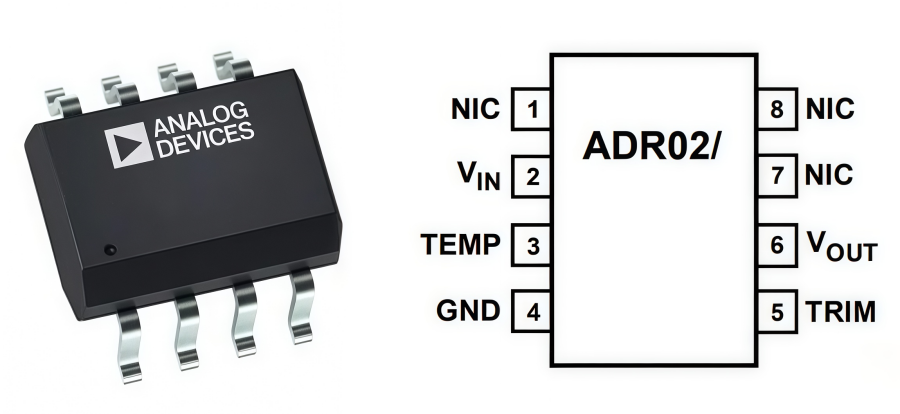
Demand for analog ICs remains strong, particularly in automotive, industrial, and power management applications. STM faces tight supply across its product range, with some 90nm MCU lead times reaching 30–52 weeks. ADI has seen rising demand and prices for data converters and power management ICs, while some TI models face longer lead times and spot price increases of around 9%–12%.
Manufacturer | Key Series | Supply Conditions | Alternative Sourcing |
STM | STM32F4/F7 | Some models have long lead times | Evaluate compatible or alternative MCU models |
ADI | ADG, ADM, ADR, ADuM | Some models face tight supply and high prices | Screen alternatives based on function and key specifications |
TI | TPS, UCC, OPA, ISO, Q1 | Longer lead times and higher spot prices | Identify alternatives based on electrical and application requirements |
As original lead times extend and spot prices rise, alternative sourcing can help reduce procurement pressure. Ande Electronics provides alternative part support for hard-to-source models, including selected STM32F4/F7, ADI ADG/ADM/ADR/ADuM, and TI TPS/UCC/OPA/ISO/Q1 series. Potential alternatives should be evaluated against the specific model, electrical parameters, and application requirements.
Passive Components: MLCC Supply and Prices Remain Under Pressure
AI server demand continues to drive growth in high-capacitance and high-reliability MLCCs. Murata is adjusting production capacity to support AI-related products and investing in ceramic material production. Meanwhile, Samsung Electro-Mechanics and Yageo have announced MLCC price increases, reflecting continued cost and supply pressures.
MLCC lead times remain extended, with some models reaching 24–30 weeks or longer. Prices for high-capacitance AI server MLCCs are rising, while general-purpose consumer MLCCs show different pricing trends. Automotive, industrial, and high-reliability products also require close attention to supply conditions.
Domestic suppliers are expanding their MLCC capabilities. Sanhuan has high-capacitance products with strong capacity utilization and has entered some server supply chains. Fenghua's high-capacitance products are still undergoing sample validation, while EYANG focuses on miniature MLCCs. Overall, domestic alternatives are progressing faster in general-purpose products than in some high-end AI server applications.
November 2026 Electronic Component Spot Market Analysis
The November spot market shows mixed trends. Some memory and high-end components remain in short supply, while prices for selected SSDs, CPUs, and other products have declined. Market conditions vary by product type, brand, and capacity.
Memory and Flash Market
l eMMC: Prices remain stable, but some brands face tight supply.
l NAND Flash: Prices and supply vary by brand and capacity.
l NOR Flash: Small-capacity products see active trading, while high-capacity automotive and industrial models remain tight.
l DDR3/DDR4: Prices rise for some industrial and popular models as older products become less available.
l DDR5: 16Gb chips remain active, with prices stable to slightly higher.
l LPDDR: LPDDR4/4X supply tightens due to phase-outs; some LPDDR5/5X prices rise.
l DIMM: Prices for some DDR5 64GB/96GB modules ease.
SSD and HDD Market
l SSD: Some small-capacity enterprise models see sufficient supply and lower prices, while large-capacity products remain uneven.
l HDD: 20TB/24TB drives remain tight. Demand for 30TB/32TB models is emerging, while smaller drives see weaker demand.
CPU Market
l Server CPU: Some Intel prices continue to fall, while selected AMD models show channel price inversions. New server projects may boost demand in November.
l Mobile CPU: Consumer demand remains limited, while some industrial models are scarce.
GPU and Network Components
l GPU: High-end professional cards remain tight, with some RTX 50-series prices rising.
l RAID Cards: Broadcom 9500/9600 series prices edge up.
l Network Cards: Popular Broadcom and Mellanox models remain in limited supply, with some prices increasing.
Conclusion
The November 2026 semiconductor market remains shaped by AI-driven demand, tight supplies of advanced memory and high-performance components, and rising prices for selected products. However, market conditions vary across product categories, with some components facing shortages while others see price corrections.
Ande Electronics supports customers in sourcing hard-to-find components and evaluating alternative parts for selected STM, ADI, and TI products. By offering additional sourcing options, Ande Electronics helps reduce the impact of long lead times, limited availability, and rising purchasing costs.