Temperature sensors are essential devices used to measure and record temperature across various industries such as manufacturing, healthcare, and consumer electronics. To meet the specific requirements of different applications, temperature sensors come with a wide range of specifications and parameters. Now, ANDESOURCE will explore the most common specifications of temperature sensors, providing you with the knowledge necessary to select the right sensor for your needs.
1. Temperature Range
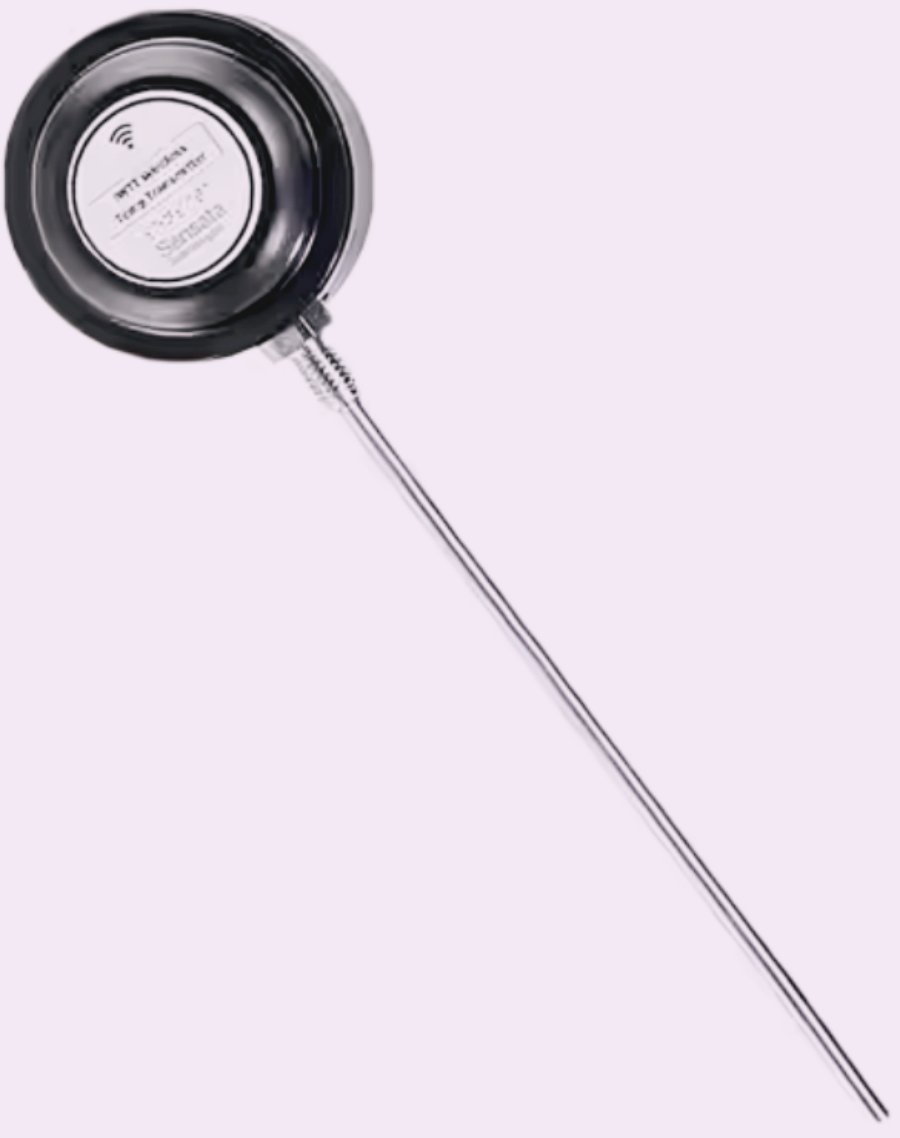
The temperature range refers to the minimum and maximum temperatures that a sensor can measure. Different types of temperature sensors offer different temperature ranges, making it crucial to select one that fits your application needs.
Platinum Resistance Thermometers (PT100/PT1000): These sensors typically have a measurement range from -200°C to 850°C. However, some specially designed PT100 sensors can extend their range.
Thermocouple sensors: The temperature range of the commonly used K-type thermocouple is from -270°C to 1800°C, while certain special models may have a higher maximum temperature limit, up to 2300°C.
Thermistors: These sensors generally have a more limited temperature range, typically from -50°C to 200°C.
Digital Temperature Sensors: The temperature range for digital sensors varies widely, with some models measuring from -55°C to 125°C or even broader.
2. Accuracy
Accuracy is a critical specification that defines the margin of error between the sensor's reading and the actual temperature of the system. It determines the precision of the measurement. Below are the accuracy parameters for some sensors:
PT100/PT1000 Sensors: These typically offer an accuracy of ±0.15°C.
Thermocouple Sensors: The common accuracy for thermocouples is around ±1.5°C.
Digital Temperature Sensors: Some digital temperature sensors offer a higher accuracy, reaching as precise as ±0.5°C.
3. Response Time
Response time refers to the time required for the sensor to provide a steady output reading after being exposed to a temperature change. This is especially important in applications where quick temperature readings are necessary. For example, thermistors, due to their small size, usually exhibit fast response times compared to other sensors.
4. Output Signal
The output signal of a sensor can be either an analog signal or a digital signal. Analog signals are typically represented by changes in resistance (e.g., platinum resistance thermometers) or changes in electromotive force (e.g., thermocouples) to indicate temperature. Digital sensors, on the other hand, directly output digital signals, which are usually communicated via interfaces such as I²C or SPI.
5. Resolution
Resolution describes the smallest temperature change that the sensor can detect. Digital temperature sensors tend to have higher resolution, with some capable of detecting changes as small as 0.03125°C or 0.0625°C.
6. Supply Voltage and Power Consumption
The supply voltage and power consumption of a temperature sensor are crucial for applications involving embedded systems or battery-powered devices. Most digital temperature sensors operate within a voltage range of 2.7V to 5.5V. Some low-power models can even function at voltages as low as 1.4V, making them ideal for energy-sensitive applications.

7. Package Type
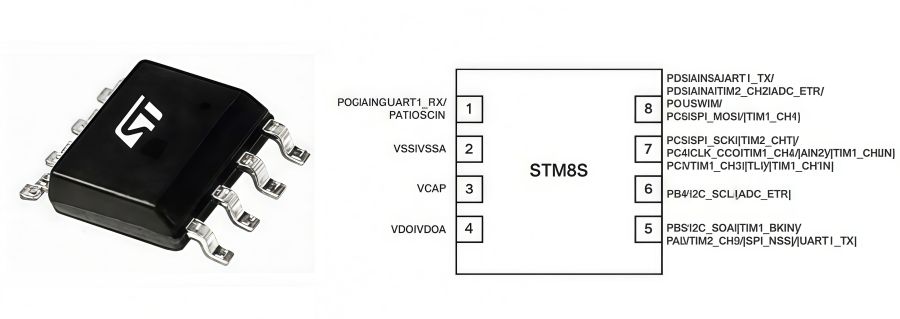
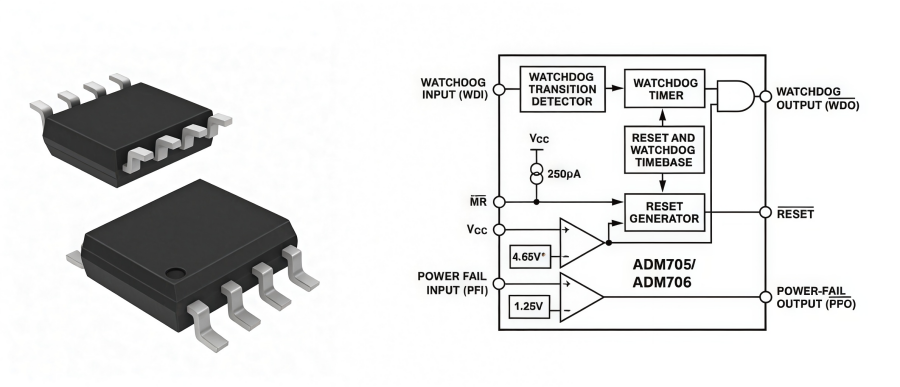
The packaging of a temperature sensor impacts its physical size, durability, and ease of installation. Sensor packages vary widely, from 8-pin SOIC packages to chip-scale packages (CSP). CSPs are especially useful in applications where space is limited.
8. Other Parameters
In addition to the key specifications mentioned above, several other factors can influence the performance of temperature sensors:
Linearity: Refers to the degree to which the sensor output changes in a straight-line proportion to changes in temperature over its operating range.
Stability:Describes the sensor’s ability to maintain consistent performance over extended periods of use.
Interchangeability: Indicates the sensor’s ability to deliver consistent performance across varying environmental conditions.
ANDESOURCE: Simplifying Your Electronic Component Procurement
At ANDESOURCE, we take the hassle out of sourcing electronic components. Instead of offering one-size-fits-all solutions, we work with you to find components that are specifically suited to your needs. Through strong partnerships with reliable manufacturers, we ensure that you receive top-quality products at best price. Each component is carefully tested, and we provide fast, reliable delivery to keep your projects on schedule.
Make ANDESOURCE your go-to partner for efficient, tailored sourcing. Reach out to us today to get started!