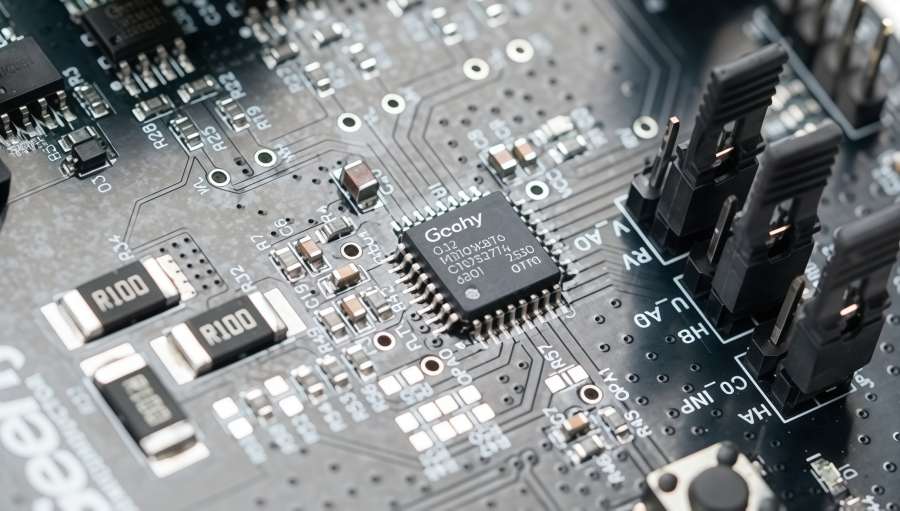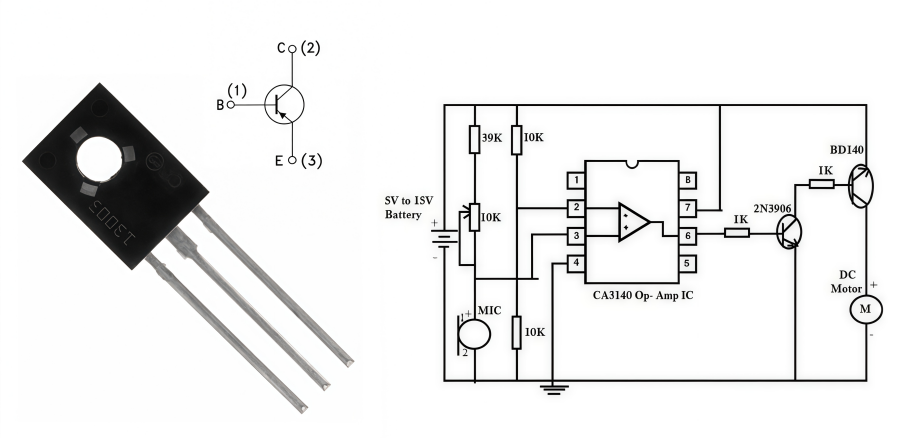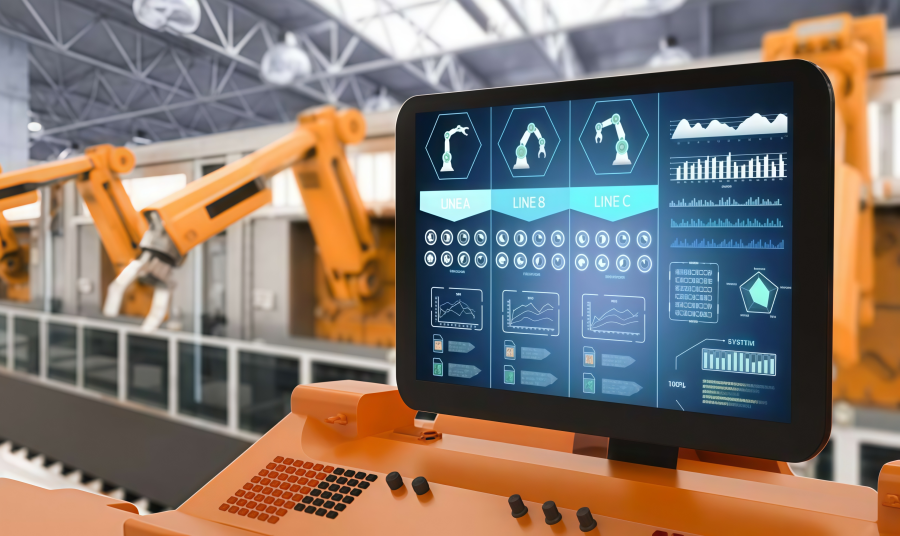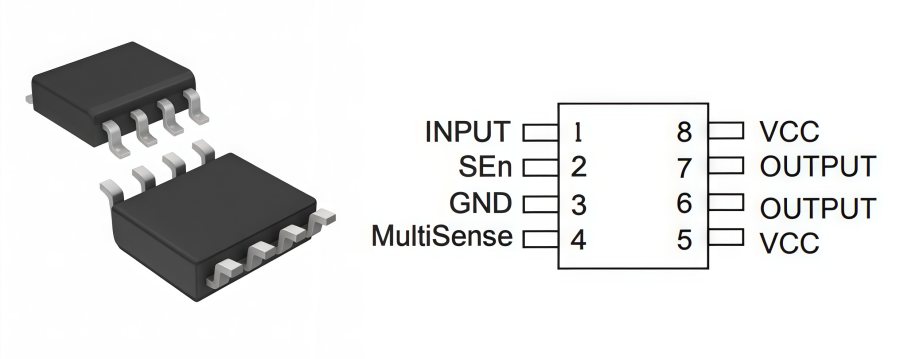
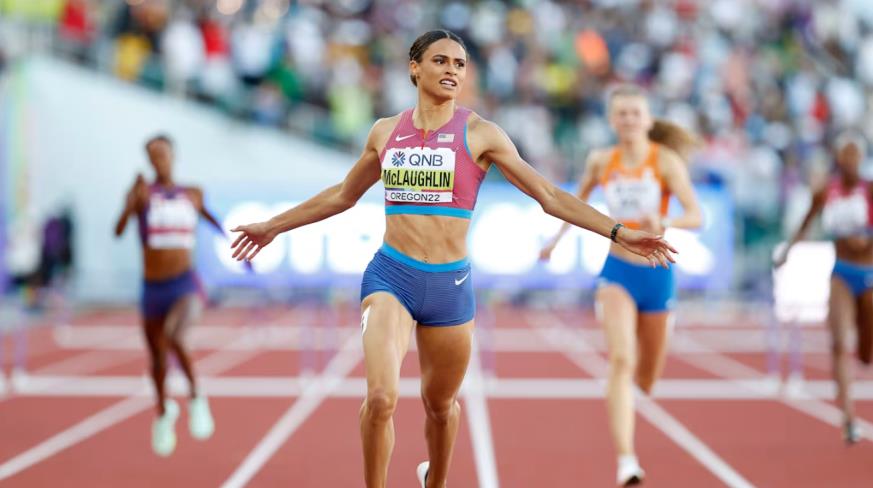
The Olympic Games are a global spectacle where athletes showcase their peak physical abilities, and behind the scenes, advanced technology plays a crucial role in ensuring fairness, accuracy, and an enhanced viewer experience. In the Paris 2024 Olympics, electronic components are set to revolutionize the athletics events, from track and field to marathon races. This blog delves into the various applications of electronic components in athletics events, highlighting their impact on the sport.
The Evolution of Technology in Athletics
Athletics, one of the oldest and most traditional sports in the Olympic Games, has seen significant technological advancements over the years. From manual timing methods to sophisticated electronic systems, technology has continuously evolved to meet the demands of higher accuracy and improved performance measurement.
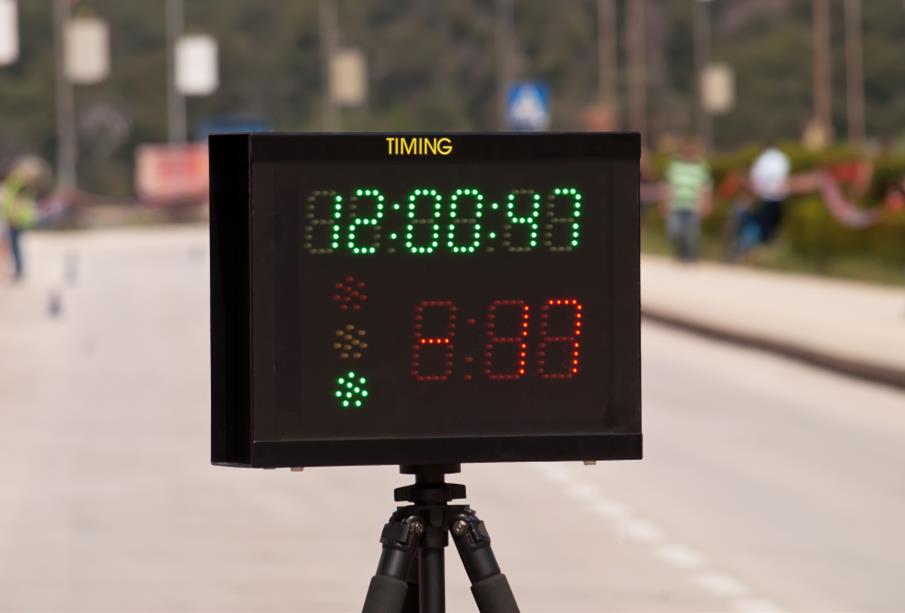
Electronic Timing Systems
One of the most critical applications of electronic components in athletics events is the electronic timing system. These systems have transformed the way races are timed, providing precision that manual methods could never achieve.
• Starting Blocks: Modern starting blocks are equipped with pressure sensors that detect the exact moment an athlete leaves the block. This technology ensures that any false starts are immediately identified, allowing for fairer competition.
• Photo Finish Cameras: High-speed cameras capture thousands of frames per second, ensuring that even the closest races can be accurately judged. These cameras are linked to the timing system, which records the exact time each athlete crosses the finish line.
• Transponders: Athletes wear transponders on their shoes or clothing, which communicate with sensors placed along the track. This system provides real-time tracking of each athlete's position, speed, and split times, enhancing both the accuracy of results and the richness of the data available for analysis.
Field Event Measurement
In field events such as long jump, triple jump, shot put, discus, hammer throw, and javelin, electronic measurement systems have replaced traditional tape measures and visual judgments.
• Laser Measurement Devices: These devices use laser beams to measure the distance of throws and jumps with incredible accuracy. The laser system is quick, reducing the time between attempts and ensuring consistent measurement without human error.
• Digital Angle Sensors: In events like javelin throw and shot put, angle sensors are used to measure the launch angle, providing athletes and coaches with valuable data to optimize performance.
• Force Plates: These are embedded in the ground at take-off and landing points, measuring the force exerted by the athlete. This data helps in understanding the biomechanics of the athlete’s performance, leading to better training and injury prevention strategies.

Athlete Monitoring and Performance Analysis
Training and competition in athletics have been significantly enhanced by the use of wearable technology and advanced performance analysis tools.
• Wearable Sensors: Athletes use a variety of wearable devices, such as GPS trackers, heart rate monitors, and accelerometers, which collect data on their physical condition and performance. This data is crucial for optimizing training programs and ensuring athletes are in peak condition for competition.
• Biomechanical Analysis: High-speed cameras and motion capture technology are used to analyze the biomechanics of an athlete’s movements. This analysis helps in refining techniques, improving efficiency, and preventing injuries.
• Virtual Reality (VR) Training: Some athletes use VR to simulate competition environments, allowing them to mentally prepare for the stress and conditions of the actual event.
Enhancing Fairness and Transparency
Electronic components play a pivotal role in ensuring the fairness and transparency of athletics events in Olympic Games Paris 2024.
• Drug Testing: Advanced electronic systems are used in the collection and analysis of samples for drug testing, ensuring that the process is rigorous and tamper-proof.
• Video Refereeing: Instant replay and video refereeing systems help officials make accurate decisions in contentious situations, such as fouls in running races or line violations in jumps and throws.
• Athlete Identification and Tracking: RFID tags and other electronic identification methods ensure that athlete data is accurately tracked and recorded, minimizing the risk of mix-ups and errors.
Enhancing the Spectator Experience
For spectators, both in the stadium and watching remotely, electronic components significantly enhance the viewing experience in Paris Olympics.
• Live Data Feeds: Real-time data on athlete performance, including split times, speeds, and rankings, is displayed on screens in the stadium and broadcasted to viewers around the world. This information adds depth to the viewing experience and allows fans to follow the competition more closely.
• Augmented Reality (AR) Graphics: Broadcasters use AR to superimpose graphics on live footage, such as distance markers in field events or pace comparisons in running events. This technology makes the events more engaging and easier to understand for the audience.
• Interactive Apps: Mobile apps provide spectators with personalized content, including athlete bios, event schedules, and real-time updates. Fans can also use these apps to participate in polls and interact with other fans, creating a more immersive experience.

The Future of Technology in Athletics
As we look to the future, the integration of even more advanced technologies such as artificial intelligence (AI) and machine learning (ML) is on the horizon. These technologies have the potential to further enhance the accuracy of performance analysis, improve training methods, and ensure the highest levels of fairness and transparency in Paralympic.
• AI and ML: These technologies can analyze vast amounts of data to identify patterns and insights that were previously unattainable. For example, AI could predict injury risks based on training data, or optimize training plans based on an athlete’s performance trends.
• Smart Clothing: Wearable technology is advancing to include smart fabrics that can monitor physiological data directly from the skin. These innovations will provide even more detailed information on an athlete's condition and performance.
• Enhanced Spectator Engagement: Future developments in AR and VR could allow spectators to experience events from the athlete’s perspective or explore the competition environment in unprecedented ways.
Conclusion
The Paris 2024 Olympics will undoubtedly showcase the remarkable synergy between athletics and electronic components. From ensuring precise timing and fair competition to enhancing athlete performance and spectator engagement, electronic components are integral to the modern athletics events. As technology continues to evolve, its impact on athletics will only grow, making the sport more exciting, fair, and accessible for everyone involved in Paris 2024.
Any question or inquiry, pls feel free to contact us: [email protected]
For more LCDs and ICs, pls visit: www.andesource.com