In the ever-evolving world of display technology, choosing the right type of screen can significantly impact user experience and application efficiency. Two of the most common types of displays are Liquid Crystal Displays (LCD) and Light Emitting Diode (LED) displays. While both have their own set of advantages, this blog focuses on highlighting the key features and benefits of LCD displays in comparison to LED displays in display market.
Understanding LCD and LED Technology
LCD Technology
LCDs, or Liquid Crystal Displays, use liquid crystals that modulate light to produce images. These displays typically require a backlight, often in the form of LED lights, to illuminate the liquid crystals and produce the visible image. LCDs are known for their high resolution, excellent color accuracy, and wide viewing angles.
LED Technology
LED displays, in display market, on the other hand, use light-emitting diodes to create images. There are two main types of LED displays: traditional LED screens, which are essentially LCDs with LED backlighting, and OLED (Organic Light Emitting Diode) displays, which use organic compounds that emit light when an electric current is applied. OLED displays can achieve true blacks and high contrast ratios but come with certain limitations.

Key Advantages of LCD Displays
1. Superior Color Accuracy
One of the primary advantages of LCD displays is their superior color accuracy. LCDs use RGB color filters that allow for precise control over color reproduction, making them ideal for applications where accurate color representation is critical, such as graphic design, medical imaging, and video editing.
2. Consistent Brightness and Performance
LCD displays offer consistent brightness and performance across the entire screen. Unlike OLED displays, which can suffer from uneven brightness and burn-in over time, LCDs maintain their brightness and image quality for longer periods. This makes them a reliable choice for applications requiring long-term use, such as digital signage and monitors in display market.
3. Wide Viewing Angles
Modern LCD displays come with wide viewing angles, ensuring that the image quality remains consistent regardless of the viewer's position. This feature is particularly beneficial in collaborative environments, such as conference rooms and classrooms, where multiple people need to view the screen simultaneously.
4. Cost-Effective and Energy-Efficient
LCD technology is generally more cost-effective than OLED technology. The production process for LCDs is well-established, leading to lower manufacturing costs in display market. Additionally, LCDs tend to consume less power than traditional LED displays, especially when using energy-efficient LED backlights. This energy efficiency translates to lower operating costs, making LCDs a cost-effective solution for both consumers and businesses.
5. Durability and Longevity
LCD displays are known for their durability and longevity. They are less prone to screen burn-in, a common issue with OLED displays where static images can cause permanent damage over time. This makes LCDs an excellent choice for applications that require continuous display of static content, such as information kiosks and control panels.
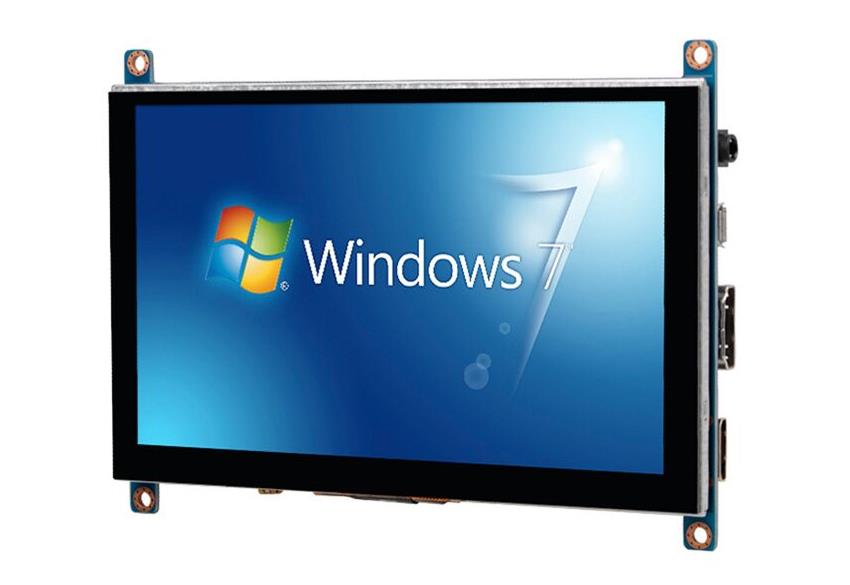
G190EAN01.0 LCD display
Speaking of which, it is worth mentioning that the G190EAN01.0 LCD display is designed to meet the demanding requirements of various applications. Here are the key technical specifications of G190EAN01.0:
Technical Specifications
• Size: 19.0 inches
• Resolution: 1280 x 1024 (SXGA)
• Aspect Ratio: 5:4
• Display Colors: 16.7 million
• Brightness: 350 cd/m²
• Contrast Ratio: 1000:1
• Response Time: 5 ms
• Viewing Angles: 170° (Horizontal), 160° (Vertical)
• Backlight: LED
• Interface: LVDS (Low Voltage Differential Signaling)
• Power Consumption: 18W (typical)
• Operating Temperature: 0°C to 50°C
• Storage Temperature: -20°C to 60°C
These specifications highlight the G190EAN01.0's capability to deliver clear, vibrant images with excellent performance metrics, making it suitable for a variety of uses.

Applications of LCD
LCD (Liquid Crystal Display) technology has become a cornerstone in various advanced fields due to its reliability, high resolution, and versatile display capabilities of industrial screens.
Industrial Control
In industrial control systems, industrial screens are widely used for monitoring and controlling machinery and processes in display market. Their high resolution and clarity enable operators to view critical data and make precise adjustments. The durability and wide temperature range of industrial-grade industrial screens ensure they perform reliably in harsh environments.
Medical
Medical LCD monitor is essential in medical imaging and diagnostic equipment, providing clear and accurate visual representations of medical data. From patient monitoring systems to complex diagnostic machines like MRI and CT scanners, medical LCD monitor offers the precision and reliability needed for accurate medical assessments and treatments.
Aerospace
In aerospace applications, flight displays are used in cockpit displays and control panels. Their ability to operate under extreme conditions and provide high-contrast, easily readable information is crucial for the safety and efficiency of flight operations. flight displays also play a vital role in in-flight entertainment systems, enhancing the passenger experience.
Military
Military applications of flight displays include ruggedized displays for tactical operations, navigation systems, and communication equipment. The robustness and readability of flight displays under various lighting conditions and their resistance to environmental stress make them ideal for military use.
AI
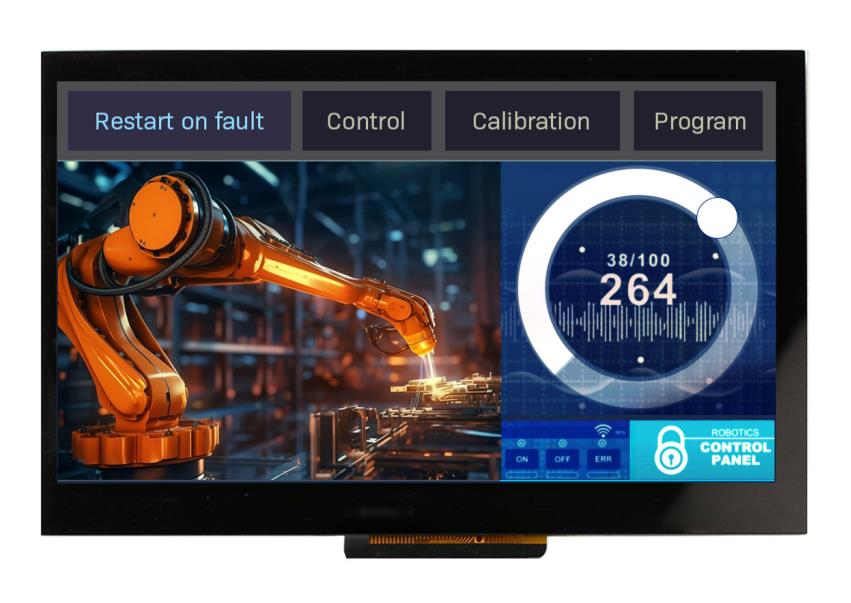
In the realm of artificial intelligence, LCDs are used in user interfaces for AI-driven devices and systems. They facilitate human-machine interaction by providing clear, responsive displays for data visualization, robotic controls, and AI-powered diagnostic tools. The precision and adaptability of LCD technology support the sophisticated demands of AI applications.
Conclusion
While both LCD and LED displays have their own merits, LCDs offer distinct advantages in terms of color accuracy, consistent performance, cost-effectiveness, and durability. These features make G190EAN01.0 a preferred choice for a wide range of applications, from professional monitors to public signage. As technology continues to advance, G190EAN01.0 LCD displays remain a reliable and efficient option for delivering high-quality visuals across various industries. You can send us RFQ.
The G190EAN01.0 LCD display is a superior choice for a broad spectrum of applications, from industrial automation to medical equipment and commercial displays. Its advanced technical specifications, combined with its reliability and energy efficiency, make it a standout solution in the display market. Embracing the G190EAN01.0 can lead to enhanced performance, better user experiences, and operational cost savings, making it an excellent investment for businesses seeking high-quality display solutions.
Any question or inquiry, pls feel free to contact us: [email protected]
For more LCDs and ICs, pls visit: www.andesource.com