The Evolution of LCD Technology
Liquid Crystal Display (LCD) technology has undergone significant advancements since its inception, transforming the way we interact with electronic devices. The journey of LCD technology began in the 1960s with the discovery of liquid crystals and their unique ability to modulate light. Early LCDs were monochromatic and primarily used in digital watches and calculators.
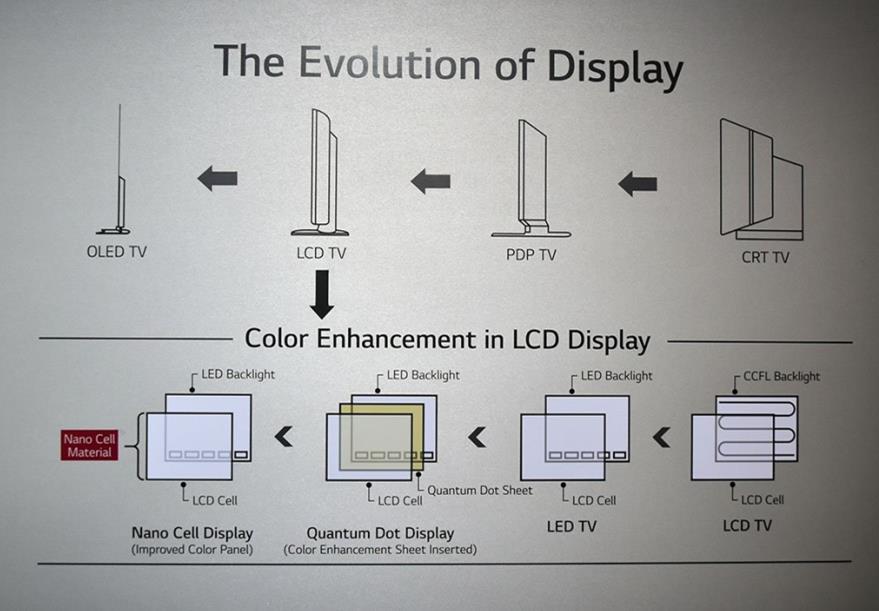
The 1980s marked a pivotal era with the introduction of Thin-Film Transistor (TFT) technology, which drastically improved image quality, color reproduction, and response times. This innovation led to the widespread adoption of LCD technology in computer monitors and televisions, gradually replacing Cathode Ray Tube (CRT) displays.
In the 2000s, further enhancements such as In-Plane Switching (IPS) technology addressed issues related to viewing angles and color consistency, making LCDs more suitable for professional and multimedia applications. The development of LED backlighting also contributed to thinner, more energy-efficient displays with better contrast and brightness.
Today, LCD technology continues to evolve with advancements like Quantum Dot Enhancement and Mini-LED backlighting, which offer superior color accuracy and higher dynamic range. These innovations have solidified LCD's position in various industries, from consumer electronics to medical imaging and industrial control systems.
The continuous evolution of LCD technology reflects a commitment to enhancing visual experiences, driving forward the capabilities of modern electronic devices, and meeting the ever-increasing demand for high-quality displays.
G070VTN01.0 LCD Display
The G070VTN01.0 LCD display module stands out as a versatile and reliable solution for both industrial control and medical applications. Its high performance, durability, and adaptability make it a preferred choice in these demanding fields. This blog delves into the key features of the G070VTN01.0 LCD display module and explores its specific applications in industrial control and medical environments.
Key Features of the G070VTN01.0 LCD Display
Before diving into its applications, let's take a closer look at the standout features of the G070VTN01.0 LCD display module:
• Size and Resolution: The LCD display module measures 7 inches diagonally with a resolution of 800 x 480 pixels, offering clear and detailed visuals.
• Brightness and Contrast: With a brightness of 450 cd/m² and a contrast ratio of 500:1, the display ensures excellent visibility under various lighting conditions.
• Viewing Angles: The G070VTN01.0 LCD display module boasts wide viewing angles of 160 degrees horizontally and 160 degrees vertically, making it suitable for multi-angle viewing.
• Backlight: Equipped with an LED backlight, the display offers a long lifespan and energy efficiency.
• Durability: Designed to operate in temperatures ranging from -20°C to 70°C, it is built to withstand harsh environments.
Industrial Control Applications
Robust Performance in Harsh Environments
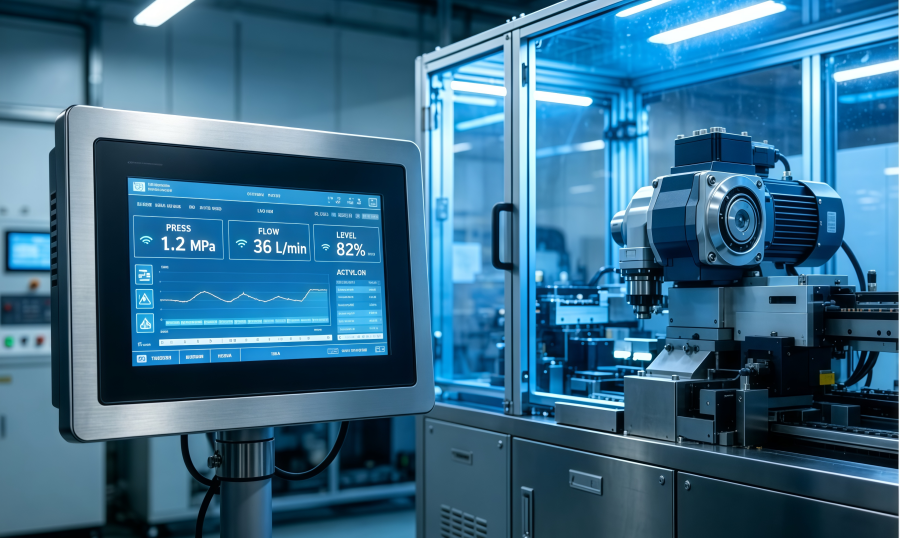
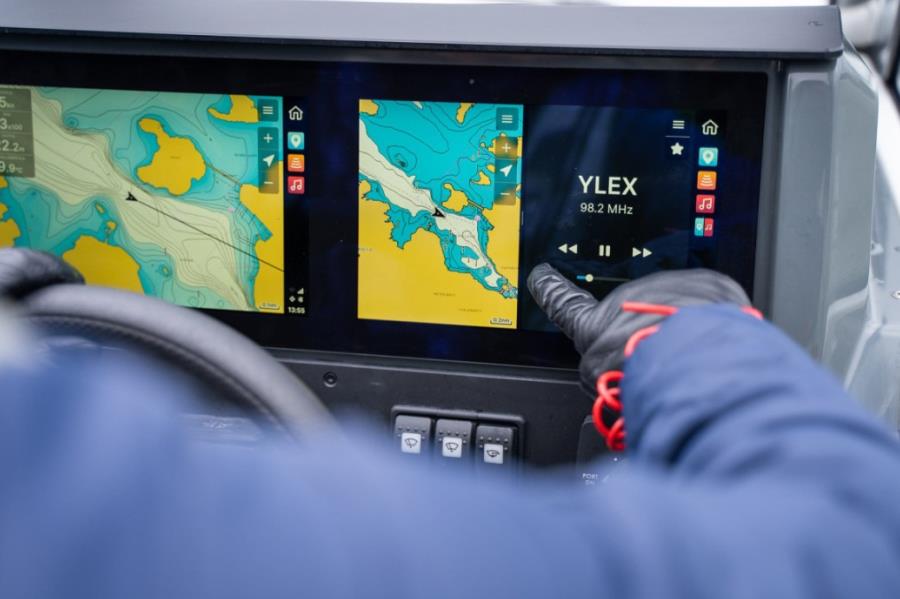
Industrial control systems often operate in extreme conditions where temperature, humidity, and dust are significant factors. The G070VTN01.0 industrial monitors are engineered to perform reliably in such environments. Its robust build and wide operating temperature range ensure continuous and stable operation, making it an ideal choice for control panels and industrial monitors systems.
Clear and Precise Monitoring
In industrial settings, clear and precise monitoring is crucial for industrial monitors. The high resolution and brightness of the G070VTN01.0 industrial monitors provide sharp and easily readable displays, essential for operators who need to monitor processes and make quick decisions. Whether it's in a factory floor, a control room, or an outdoor installation, industrial monitors ensure that critical information is always visible.
Versatility in Application
The versatility of the G070VTN01.0 industrial monitors extends to various industrial applications. It can be used in programmable logic controllers (PLCs), human-machine interfaces (HMIs), and other industrial monitors automation equipment. Its compatibility with different mounting options and interfaces makes integration seamless, allowing for flexible use across different systems of industrial monitors.
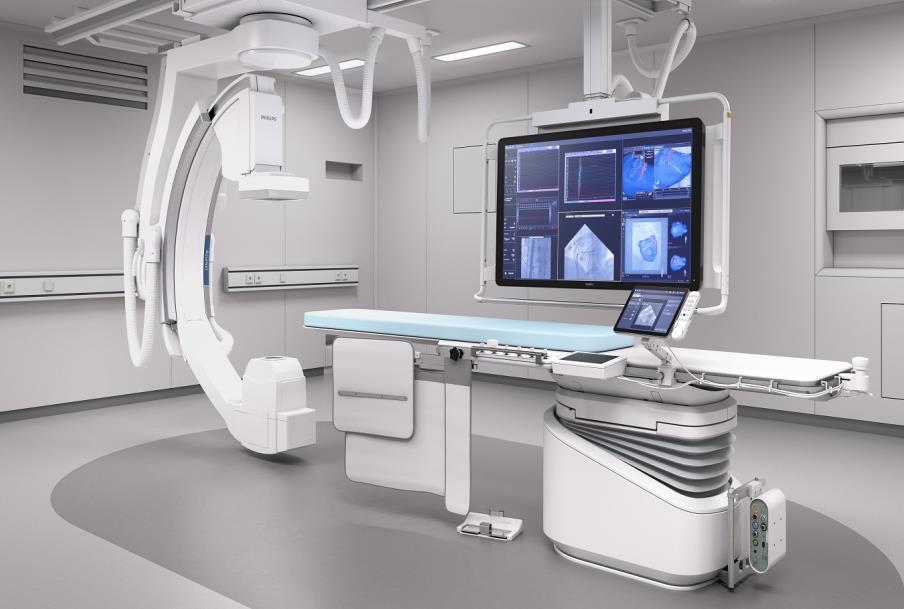
Medical Applications
Enhanced Visual Clarity for Diagnostics
In the medical field, the clarity of medical display monitors is paramount. The G070VTN01.0 LCD display module, with its high resolution and contrast ratio, provides the visual clarity necessary for diagnostic equipment. Whether it’s for ultrasound machines, patient monitoring systems, or medical imaging devices, medical display monitors ensure that medical professionals have access to accurate and detailed visuals.
Reliable Operation in Critical Situations
Medical environments demand the highest level of reliability. The G070VTN01.0 medical display monitors' durable construction and consistent performance under varying temperatures make it a reliable choice for medical display monitors that need to operate flawlessly in critical situations. Its LED backlight not only enhances visibility but also ensures a long operational life, reducing the need for frequent replacements.
User-Friendly Interface
Medical devices often require user-friendly interfaces to ensure that healthcare providers can operate them efficiently. The G070VTN01.0 medical display monitors support touch screen functionality, enabling intuitive interaction with medical software. This feature is particularly beneficial in settings like operating rooms and intensive care units, where quick and accurate input is essential.
Portability and Integration
The compact size of the G070VTN01.0 medical display monitors makes it suitable for portable medical devices. It can be integrated into handheld diagnostic tools, portable patient monitors, and other mobile medical equipment. This portability extends the utility of the medical display monitors to various medical scenarios, including emergency response and field diagnostics.

The Future Prospects of LCD Technology
The future of LCD (Liquid Crystal Display) technology looks exceptionally promising as it continues to evolve and adapt to the ever-growing demands of various industries. Innovations in LCD technology are driving improvements in display resolution, brightness, energy efficiency, and flexibility. One significant trend is the development of ultra-high-definition LCD display module, including 4K and 8K resolutions, which provide incredibly sharp and detailed images, enhancing user experience in both consumer electronics and professional applications. Customers can contact us by RFQ.
In addition, flexible and foldable LCDs are emerging, opening new possibilities for innovative product designs. These displays can be integrated into a variety of devices, from wearable technology to foldable smartphones, offering enhanced portability and versatility. Sustainability is another critical area of focus. Researchers are working on developing more energy-efficient LCDs and exploring eco-friendly materials and manufacturing processes. These efforts aim to reduce the environmental impact of LCD production and disposal.
Overall, with continuous improvements in LCD technology, design, and sustainability, LCDs are set to remain a dominant force in the display industry, meeting the diverse needs of consumers and professionals while paving the way for exciting new applications and innovations.
Any question or inquiry, pls feel free to contact us: [email protected]
For more LCDs and ICs, pls visit: www.andesource.com